For more information, Click Here
This book provides a factual account of John Herbert Dillinger, Jr.'s life and criminal activities during the early 1930s. It details his numerous bank robberies, prison escapes, and the public perception that surrounded him. The narrative is based on historical records and official documents from the era. Readers will find a straightforward presentation of events without fictional embellishment.
Book Summary
Summary of John Dillinger's Life and Crimes
John Herbert Dillinger Jr. was a notorious American bank robber during the Great Depression, whose life and crimes have been shrouded in both fact and legend. Often compared to a modern-day Robin Hood by some, Dillinger's charismatic and theatrical approach to crime made him a public figure of fascination, despite the violence and harm associated with his actions.
Early Life and Background
Born on June 22, 1903, in Indianapolis, Indiana, Dillinger had a troubled upbringing marked by a strict father and the early death of his mother. His adolescence was characterized by petty theft, fighting, and bullying. After a brief stint in the U.S. Navy, which ended in desertion and dishonorable discharge, he married Beryl Ethel Hovious in 1924, but the marriage ended in divorce in 1929. Unable to find stable work, Dillinger turned to crime, beginning with a small grocery store robbery that resulted in a 10- to 20-year prison sentence.
Criminal Career and Notable Escapes
While incarcerated, Dillinger connected with other criminals and refined bank robbery techniques, notably adopting Herman Lamm's systematic approach. After his release, he formed a gang and embarked on a spree of bank robberies across the Midwest, netting sums ranging from a few thousand to $75,000. His bold style, including jumping over counters—earning him the nickname "Jackrabbit"—and even robbing police stations, captivated the public and infuriated law enforcement.
Dillinger was captured multiple times but famously escaped from high-security prisons, most notably Crown Point, using a wooden gun replica to bluff his way out. His ability to evade capture and his theatrical persona solidified his status as Public Enemy No. 1.
Final Days and Death
In an attempt to avoid recognition, Dillinger underwent plastic surgery and had his fingertips altered with acid. However, on July 22, 1934, he was betrayed by Anna Sage, a brothel madam facing deportation. After watching a gangster film at the Biograph Theater in Chicago, Dillinger was ambushed by federal agents and shot dead outside the theater. His body was put on public display, drawing thousands of spectators, though conspiracy theories about his death and identity persist.
Legacy and Cultural Impact
Dillinger's life has been the subject of numerous films, documentaries, and books, reflecting enduring public interest. His story is often seen as emblematic of the socio-economic struggles of the Depression era, where bank robbers were sometimes romanticized as rebels against a flawed system. However, his crimes resulted in violence and loss of life, underscoring the darker reality of his actions.
Review
Mark Clifford's John Herbert Dillinger, Jr - The Truth! is a meticulously researched and compelling account of one of America's most infamous outlaws. Clifford’s approach is both scholarly and accessible, making this book a standout in the crowded field of true crime literature. The depth of research is evident throughout, with Clifford drawing on a wealth of primary sources, including FBI files, court documents, and contemporary newspaper accounts, to separate fact from the layers of myth that have grown around Dillinger’s legend.
One of the book’s strongest qualities is its clarity and readability. Clifford presents complex historical details in a narrative that flows smoothly, balancing the dramatic aspects of Dillinger’s life with sober analysis. Unlike many biographies that either vilify or romanticize their subjects, Clifford offers a nuanced portrait, acknowledging Dillinger’s charisma and public appeal while never shying away from the violence and consequences of his actions. This balanced perspective provides readers with a comprehensive understanding of both the man and the era he influenced.
In comparison to other works on Depression-era crime, such as Bryan Burrough’s Public Enemies, Clifford’s book distinguishes itself by focusing intensely on Dillinger’s personal story and the immediate context of his crimes, rather than attempting a broader overview of the period’s gangland landscape. This focused approach allows for a richer exploration of Dillinger’s psychology and the public’s fascination with him.
If there is one area where the book could be enhanced, it would be in providing more visual elements, such as photographs or maps, to complement the text. While the writing is vivid and descriptive, visual aids could further immerse the reader in the 1930s setting. That said, this is a minor point in an otherwise thoroughly engaging and informative work.
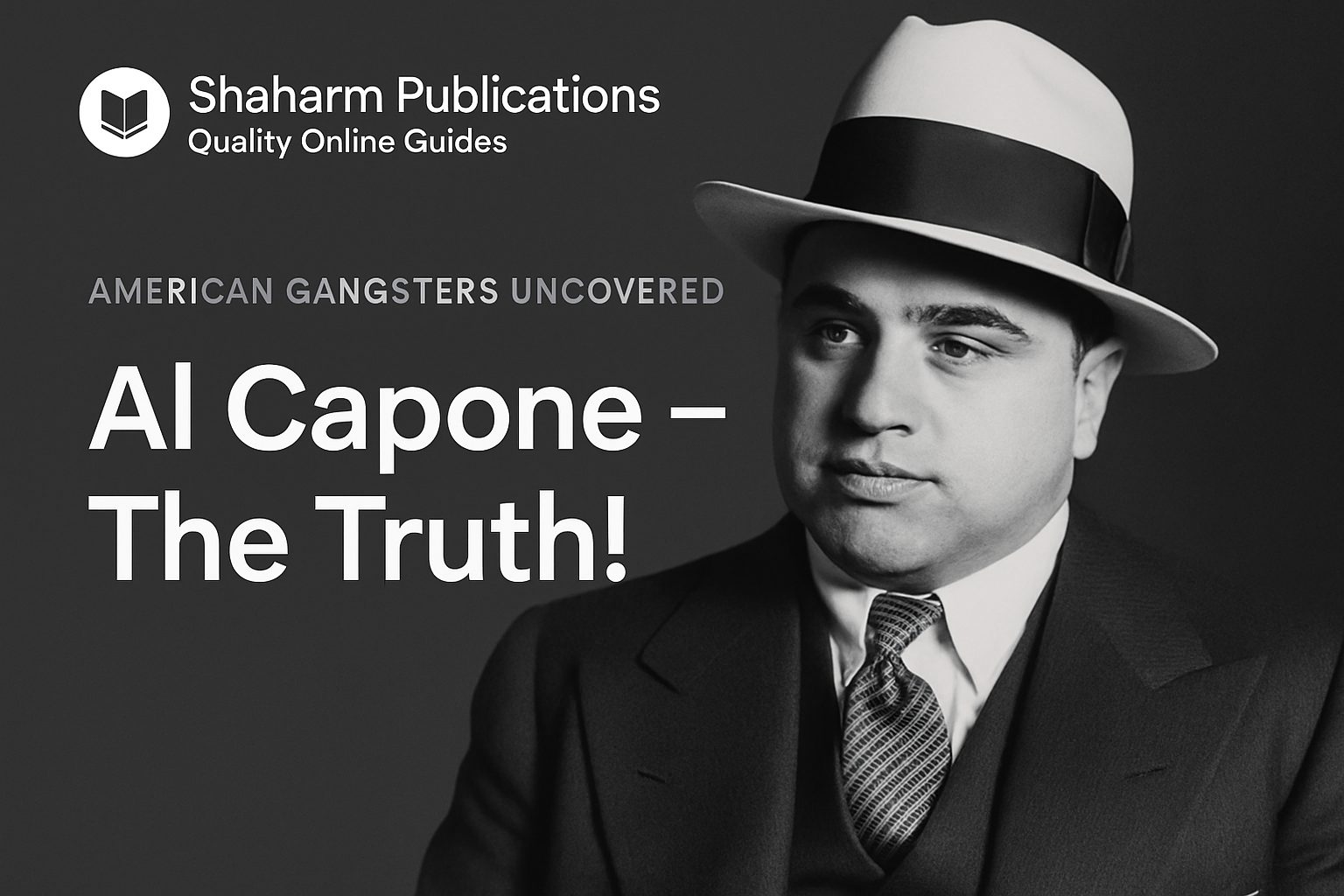
For readers interested in similar deep dives into historical figures and events, Clifford’s publisher offers other excellent titles, such as Al Capone - The Truth!, Assassinations That Changed The World, and The Worlds Most Daring Robberies... Ever!, all of which maintain the same commitment to research and narrative quality.
Overall, John Herbert Dillinger, Jr - The Truth! is an essential read for true crime enthusiasts and history buffs alike, offering a well-rounded and fact-based exploration of a legendary figure. It is available for purchase on Amazon here.