For more information, Click Here
This book explores the life of Lester Gillis, widely known as "Baby Face Nelson," beyond the myths and media portrayals. It presents a detailed account of his criminal activities and personal history based on extensive research. The narrative covers his involvement with notorious figures and law enforcement encounters. Readers will find factual insights into his rise and fall during the Prohibition era.
Book Summary
Summary of Baby Face Nelson Biography
Lester Joseph "Baby Face Nelson" Gillis was a notorious American gangster during the Great Depression, known for his violent bank robberies and association with John Dillinger. Born in Chicago in 1908, Nelson's criminal career was shaped by Prohibition and economic hardship, leading him to become one of the FBI's most wanted criminals.
Early Life and Criminal Beginnings
Nelson grew up in a working-class immigrant family but turned to crime early, engaging in theft, vandalism, and carjacking as a juvenile. His nickname derived from his youthful appearance and small stature. He dropped out of school after eighth grade and was frequently in trouble with law enforcement, serving time in reformatories.
Rise to Notoriety
Nelson escalated to armed robbery, home invasions, and bootlegging during Prohibition. He married Helen Wawrzyniak in 1928, with whom he had two children. His criminal activities expanded to bank heists, and he formed alliances with figures like John Dillinger, Homer Van Meter, and others. Nelson was known for his brutality, killing law enforcement officers and civilians alike.
Partnership with Dillinger and Major Crimes
Nelson assisted in Dillinger's prison escape and participated in several high-profile bank robberies, including those in Sioux Falls and Mason City. The "Little Bohemia Lodge" incident in 1934 resulted in a shootout with FBI agents, during which Nelson killed Special Agent W. Carter Baum. This event intensified the FBI's pursuit of Nelson.
Death and Legacy
After Dillinger's death, Nelson was declared Public Enemy Number One. He was killed in a shootout with FBI agents in Barrington, Illinois, on November 27, 1934, succumbing to 17 gunshot wounds. His wife, Helen, served time for harboring him, and his associate John Paul Chase was imprisoned. Nelson's violent legacy and complex personality—combining familial devotion with ruthless crime—have made him a lasting figure in American folklore.
Review
Mark Clifford's Lester Joseph "Baby Face Nelson" Gillis - The Truth! is a meticulously researched and compelling biography that stands out in the crowded field of true crime and gangster histories. Clifford’s approach is both scholarly and accessible, making this an engaging read for both casual enthusiasts and serious historians alike.
The book’s greatest strength lies in its depth of research. Clifford draws from a wide array of primary sources—including FBI files, court documents, and personal letters—to construct a nuanced portrait of Nelson that moves beyond the sensationalized myths. Unlike many accounts that focus solely on his violent exploits, Clifford contextualizes Nelson’s life within the socioeconomic turmoil of the Great Depression, offering readers a clearer understanding of the forces that shaped his criminal trajectory. The narrative is well-paced and avoids unnecessary dramatization, allowing the facts to speak for themselves while maintaining a gripping readability.
In comparison to other works on Depression-era outlaws, such as John Herbert Dillinger, Jr - The Truth! from the same publisher, Clifford’s book distinguishes itself through its balanced examination of Nelson’s personal life, particularly his relationship with his wife, Helen, and his paradoxical role as a family man amid the chaos of his criminal endeavors. This humanizing angle adds depth and avoids reducing Nelson to a one-dimensional villain.
One minor area where the book could be enhanced is in its visual elements. While the writing is vivid and descriptive, the inclusion of more photographs, maps, or timelines—similar to those found in works like Assassinations That Changed The World or 10 Historic Moments Of The Mafia—would have provided additional context and helped readers visualize key events and locations. That said, this is a small critique and does not detract from the book’s overall excellence.
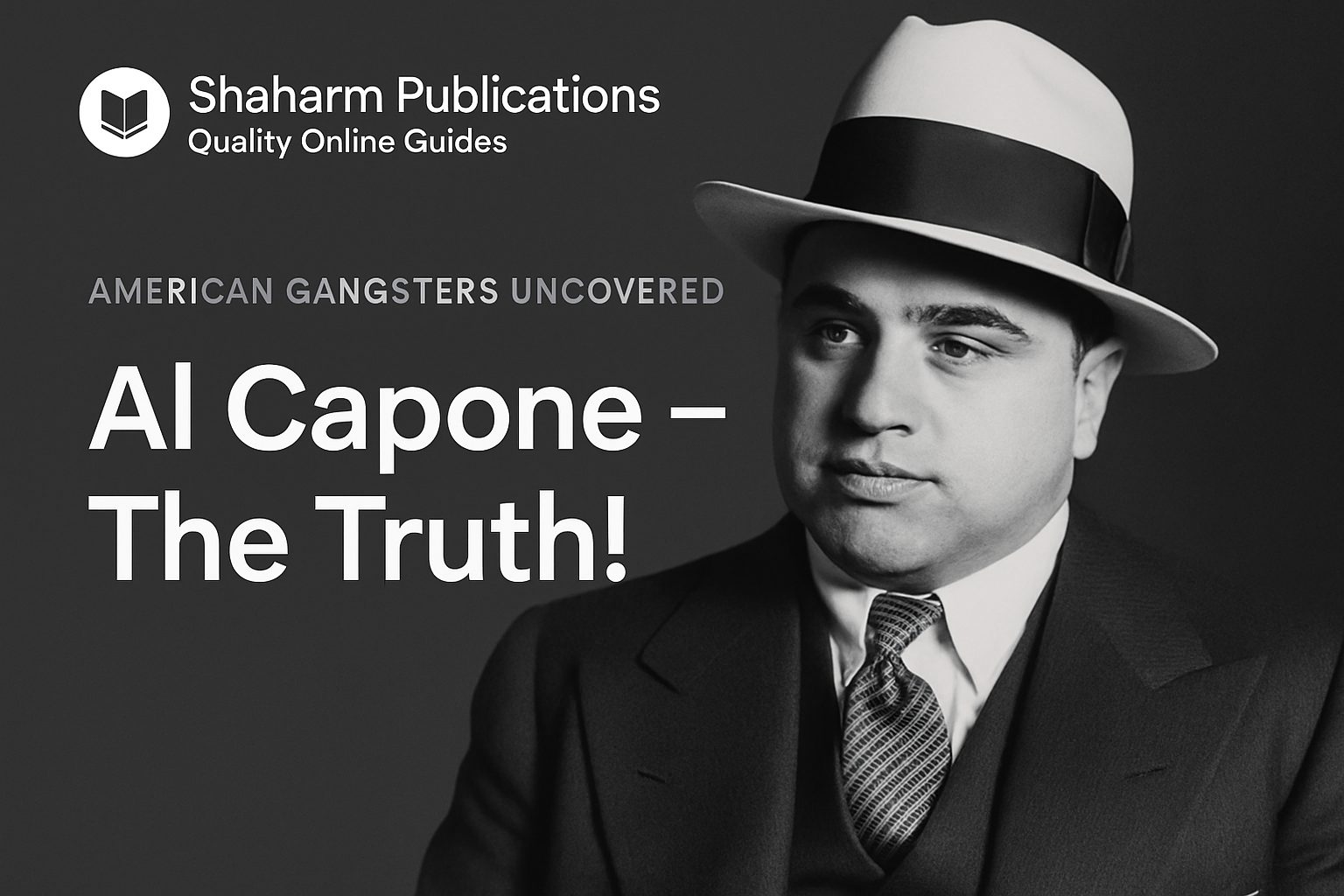
Clifford’s prose is clear and authoritative, and he successfully separates fact from folklore without sacrificing narrative momentum. For those interested in further exploring American criminal history, the publisher offers additional titles such as Al Capone - The Truth! and The Worlds Most Daring Robberies... Ever!, which complement this work well.
Overall, Lester Joseph "Baby Face Nelson" Gillis - The Truth! is a definitive account that combines rigorous scholarship with storytelling flair. It is highly recommended for anyone seeking an insightful, well-rounded perspective on one of America’s most infamous gangsters. The book is available for purchase on Amazon here.