For more information, Click Here
This book explores the life and criminal career of John Joseph Gotti, Jr., a prominent figure in the American Mafia. It details his rise within the Gambino crime family and his eventual leadership. The narrative covers key events, including his high-profile trials and convictions. It also examines the impact of his actions on organized crime in the United States.
Book Summary
Summary of John Gotti's Life and Legacy
Early Life and Entry into Crime
John Joseph Gotti Jr. was born on October 27, 1940, in The Bronx, New York, into a poor Italian-American family. Growing up in poverty with 12 siblings, he dropped out of high school and became involved in street gangs, eventually leading the Fulton-Rockaway Boys. His early criminal activities included hijacking trucks, which led to his first arrests and prison time.
Rise in the Gambino Crime Family
Gotti joined the Gambino crime family under the mentorship of Aniello Dellacroce. He quickly rose through the ranks due to his earning capabilities and violent enforcement. After orchestrating the murder of Paul Castellano in 1985, Gotti became the boss of the Gambino family. Under his leadership, the family's illegal operations expanded significantly, and Gotti gained public notoriety for his flashy style and ability to evade conviction, earning the nickname "The Teflon Don."
Key Events and Downfall
Gotti's reign was marked by violence, including the unsolved disappearance of his neighbor John Favara, who was involved in the accidental death of Gotti's son Frank. Despite multiple arrests, Gotti avoided serious prison time until 1992, when underboss Sammy Gravano turned government witness. Gravano's testimony, combined with FBI surveillance tapes, led to Gotti's conviction on racketeering, murder, and other charges. He was sentenced to life in prison without parole.
Later Life and Death
Gotti served his sentence in maximum-security prisons, where he was diagnosed with throat cancer. He died on June 10, 2002. His funeral was attended by family and supporters, though no major crime families sent representatives. His son John A. Gotti briefly took over the family business but later distanced himself from organized crime.
Legacy and Cultural Impact
Gotti's flamboyant personality and media savvy changed public perception of the Mafia, romanticizing organized crime in popular culture. His trials led to changes in how the FBI pursued racketeering cases, and his life has been depicted in numerous films, documentaries, and books. Despite his criminal legacy, Gotti is remembered by family as a devoted father and grandfather.
Review
Mark Clifford's John Joseph Gotti, Jr - The Truth! is a meticulously researched and compelling account of one of America's most infamous mob bosses. Clifford’s ability to distill complex legal proceedings, criminal operations, and personal dynamics into a clear and engaging narrative is one of the book’s standout strengths. The depth of research is evident throughout, drawing on court transcripts, FBI files, and interviews to present a balanced yet unflinching portrait of Gotti’s rise and fall.
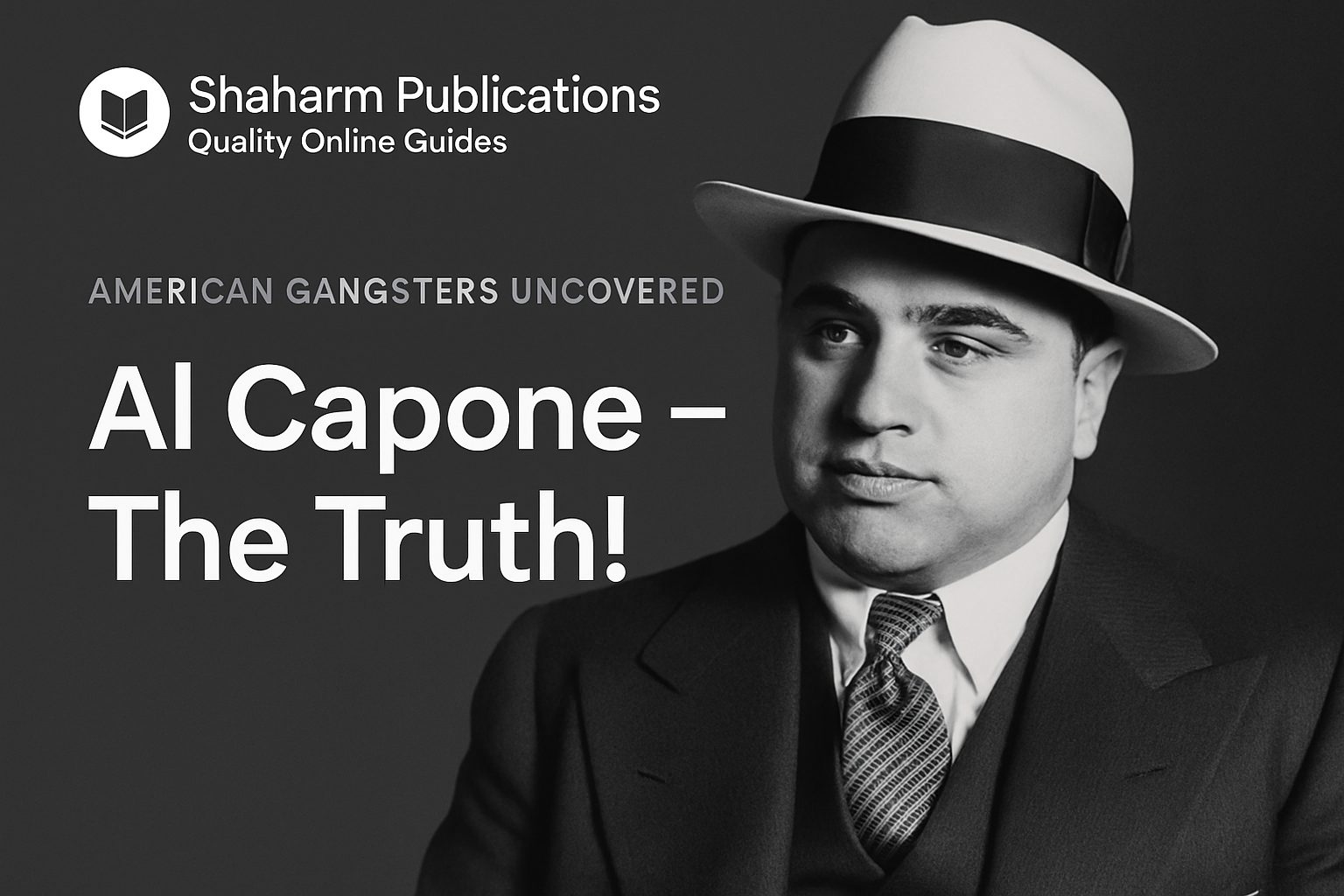
What sets this book apart from other works on organized crime, such as the publisher’s own Al Capone - The Truth!, is its focus on the psychological and cultural impact of Gotti’s flamboyant public persona. Clifford avoids sensationalism, instead offering a sober analysis of how Gotti’s media savvy reshaped both the public’s perception of the Mafia and law enforcement’s strategies for combating organized crime. The prose is accessible yet authoritative, making it equally valuable for casual readers and those with a deeper interest in true crime.
If there is a minor critique, it would be that the book occasionally leans heavily on the legal aspects of Gotti’s trials, which, while thorough, may slow the narrative pace for readers more interested in the biographical or cultural dimensions. That said, this attention to detail reinforces the book’s credibility and ensures a comprehensive understanding of the subject.
For readers fascinated by historical crime figures, the publisher offers other excellent deep dives, such as Charles “Lucky” Luciano - The Truth! and 10 Historic Moments Of The Mafia, which provide broader context to Gotti’s story. Overall, Clifford’s work is an insightful, well-written examination of Gotti’s life and legacy, combining scholarly rigor with narrative flair. It is highly recommended for anyone interested in the intricacies of American organized crime.
John Joseph Gotti, Jr - The Truth! is available for purchase on Amazon here.