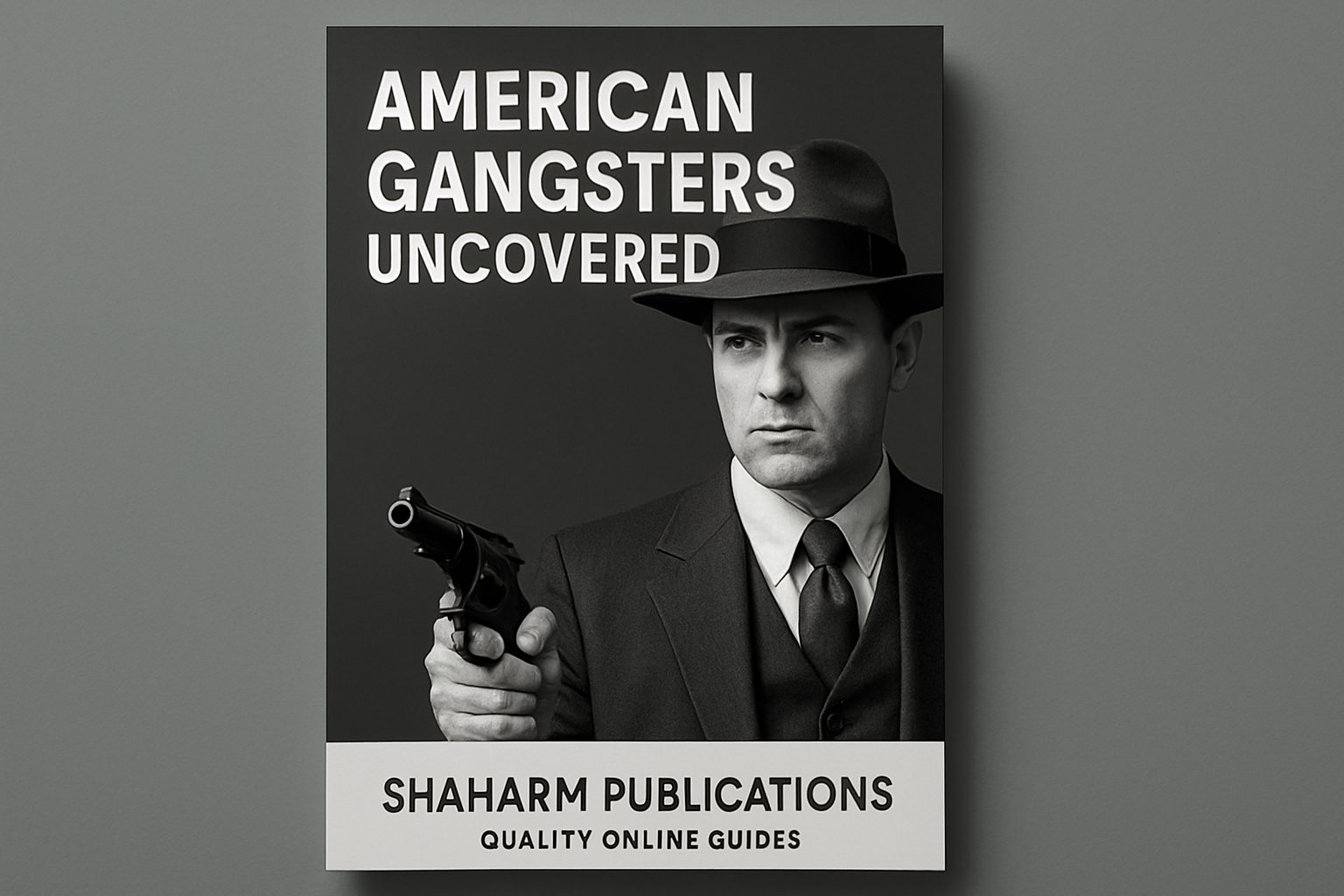
For more information, Click Here
This book explores the life of Charles "Lucky" Luciano, a key figure in organized crime during the early 20th century. It presents factual information about his rise to power and his role in shaping the American Mafia. The content is based on historical records and documented events. Readers will find details about his criminal activities and eventual imprisonment. The narrative also covers his later years and the impact of his actions on law enforcement and society.
Book Summary
Summary: Charles "Lucky" Luciano
Introduction: Luciano rose to power in the American Mafia, surrounded by myth and conflicting accounts. He worked with infamous figures like Meyer Lansky and Bugsy Siegel, shaping organized crime in New York through alliances and new traditions, moving away from old Sicilian ways.
Early Life: Born in Sicily in 1897, Luciano immigrated to New York's Lower East Side in 1907. He quickly engaged in petty crime, forming protection rackets and aligning with future mobsters. By his teens, he was involved in drug trafficking and served jail time, adopting the name Charles Luciano.
Prohibition Era: With the ban on alcohol, Luciano seized bootlegging opportunities, working under bosses like Giuseppe Masseria and Arnold Rothstein. He learned to operate discreetly, avoid the limelight, and expand into narcotics, while navigating conflicts between Sicilian traditionalists and younger, more inclusive gangsters.
Castellammarese War: A power struggle between Masseria and Salvatore Maranzano led to violence. Luciano played both sides, ultimately orchestrating Masseria's murder and later Maranzano's assassination, eliminating the old guard and paving the way for a modernized Mafia structure.
The Commission: Luciano established a governing body for the Mafia, replacing the "Boss of Bosses" model with a collaborative commission to resolve disputes and manage territories. This reduced internal wars and included diverse gangsters, prioritizing business over tradition.
Prison: Targeted by prosecutor Thomas Dewey, Luciano was convicted in 1936 for running a prostitution ring and sentenced to 30-50 years. From prison, he maintained influence over his criminal operations through associates like Meyer Lansky and Frank Costello.
World War II: Luciano aided U.S. naval intelligence by leveraging his connections to prevent sabotage on New York docks and assist with the Allied invasion of Sicily. This cooperation led to his sentence commutation and deportation to Italy in 1946.
Exile in Cuba and Italy: Briefly relocating to Cuba to regain proximity to U.S. operations, Luciano was forced back to Italy due to pressure from American authorities. Under constant surveillance, he lived in Naples and Rome, involved in narcotics trafficking but with diminished power.
Final Years and Legacy: Luciano's later life was marked by attempts to profit from his story, ongoing police scrutiny, and the loss of close associates and loved ones. He died of a heart attack in 1962, leaving behind a complex legacy of myth and criminal innovation.
Review
Mark Clifford's Charles "Lucky" Luciano - The Truth! is a meticulously researched and compellingly written account of one of organized crime's most transformative figures. Clifford’s ability to distill complex historical events into a clear, engaging narrative is one of the book’s standout strengths. The author avoids sensationalism, instead focusing on factual depth and contextual analysis, which lends the work a credible and authoritative tone.
What sets this book apart from other biographies of Luciano is its balanced approach to both the man and the myth. Clifford doesn’t shy away from Luciano’s brutal criminality, yet he also gives due attention to his strategic innovations, such as the establishment of The Commission, which redefined American organized crime. The chapters on Luciano’s cooperation with U.S. intelligence during World War II are particularly well-sourced and shed light on a lesser-known aspect of his legacy.
While the book excels in clarity and research, some readers might wish for a deeper exploration of Luciano’s personal relationships and psychological motivations. That said, this is a minor point in an otherwise comprehensive work. Clifford’s prose is accessible without sacrificing academic rigor, making it an excellent choice for both casual readers and those with a scholarly interest in the subject.
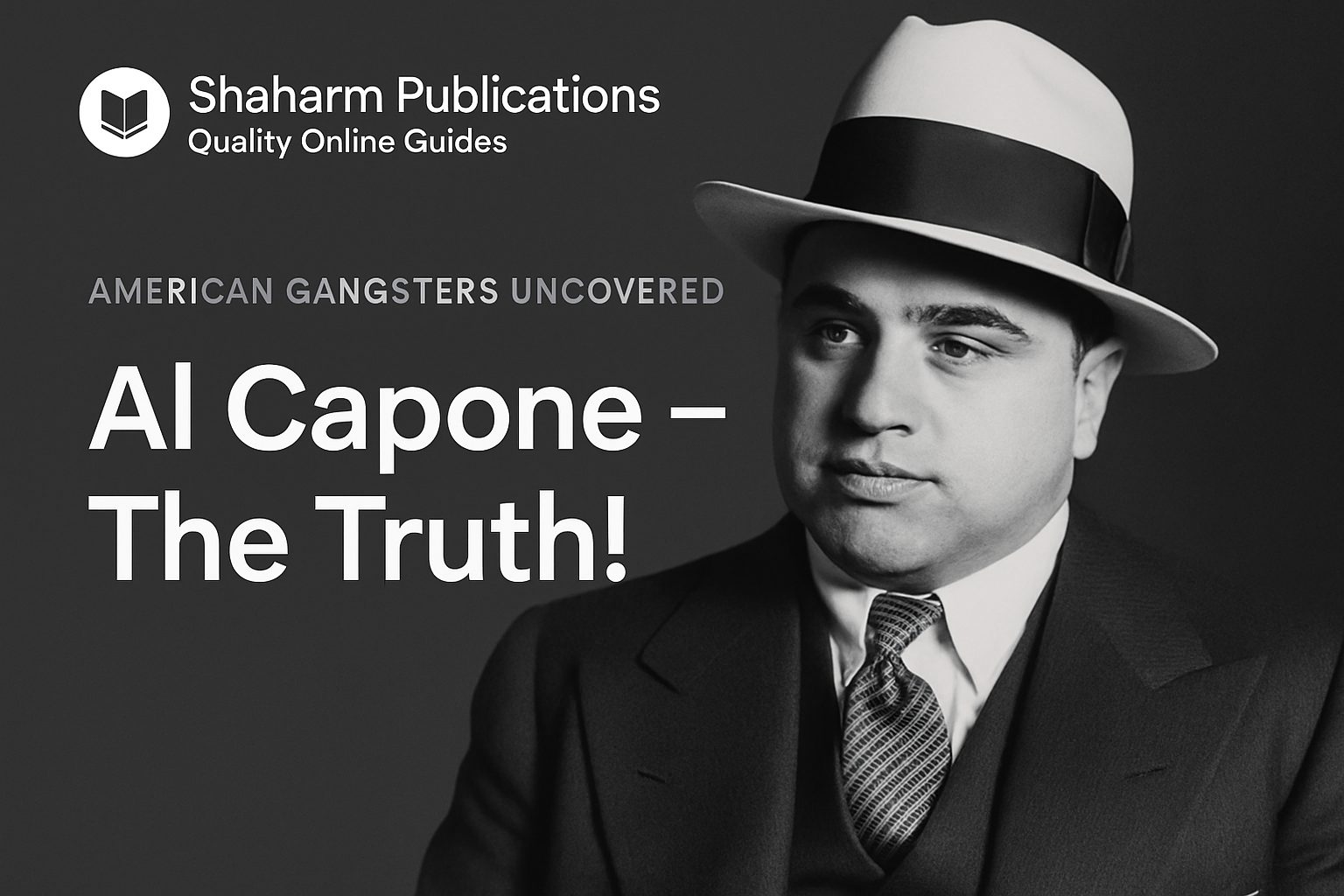
Fans of true crime and American history will find this book engrossing, and it stands favorably alongside other works from the same publisher, such as Al Capone - The Truth!, Benjamin "Bugsy" Siegel - The Truth!, and 10 Historic Moments Of The Mafia. For those interested in broader historical contexts, titles like 10 Historic Moments Of US Government provide complementary perspectives.
Overall, Charles "Lucky" Luciano - The Truth! is a valuable addition to the literature on 20th-century crime, offering insight, nuance, and readability in equal measure. It is available for purchase on Amazon here.