For more information, Click Here
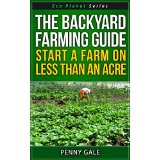
This guide provides practical steps for beginning a small-scale farm as a hobby. It covers essential topics such as selecting land, choosing crops and livestock, and managing resources efficiently. The content is designed to help readers establish a sustainable and productive farm without prior experience. It emphasizes eco-friendly practices and cost-effective methods suitable for limited spaces.
Book Summary
Introduction to Hobby Farming
Hobby farming involves cultivating your own food, raising animals, managing natural resources, and potentially generating renewable energy on personal land. It promotes sustainable living, family self-sufficiency, and connection to seasonal rhythms. While rewarding, it requires significant commitment, new skills development, and continuous effort—especially with livestock—making it both a lifestyle and a business venture.
Getting Started
Begin by assessing your goals, available land, physical resources (soil, water, climate), and personal skills. Research local ordinances, develop a business plan if pursuing profit, and consider starting small with gardens or small livestock. Utilize resources like farmer mentors, apprenticeships, classes, and community networks to build knowledge and experience.
Farming Methods & Crops
Choose production techniques: conventional (synthetic inputs), organic (natural fertilizers/pest control), or sustainable (balanced approach). Select crops suited to your soil type, climate, and market demand—either traditional (established locally) or specialty (unique/heritage varieties). Diversify to spread risk and explore value-added products (e.g., jams, cheeses) for higher profitability.
Marketing & Community
Market directly to consumers via farmers' markets, roadside stands, CSAs (Community Supported Agriculture), restaurants, or online platforms. Engage with local agricultural communities for support, innovation, and collaboration. Participate in county fairs, workshops, and community gardens to build relationships and educate others about sustainable practices.
Safety & Business Considerations
Prioritize safety with equipment maintenance, livestock handling protocols, child supervision, and emergency preparedness. Decide whether your farm is a hobby or business early—this affects taxes, deductions, and record-keeping. Maintain separate finances, track expenses/revenues, and consult professionals for legal and tax advice to ensure compliance and profitability.
Conclusion
Hobby farming offers profound rewards: food sovereignty, environmental stewardship, family bonding, and community resilience. Success hinges on continuous learning, adaptability, and passion for the land. Whether for pleasure or profit, it fosters creativity, sustainability, and a deeper connection to nature—an enriching journey for those willing to embrace its challenges and joys.
Review
Penny Gale’s How To Start Hobby Farming - Small Scale Farming Made Simple! is an exceptionally well-crafted guide that stands out for its clarity, practicality, and depth. The book excels at demystifying the complexities of small-scale farming, making it accessible to beginners without sacrificing the nuance required for meaningful engagement with the subject. Gale’s writing is both informative and approachable, striking a balance that allows readers to absorb technical details—such as soil assessment, livestock care, and sustainable practices—without feeling overwhelmed.
One of the book’s strongest qualities is its structured, logical progression. It begins by helping readers evaluate their goals and resources, then systematically guides them through crop selection, animal husbandry, and even business considerations for those looking to turn a profit. This methodical approach ensures that foundational knowledge is firmly in place before advancing to more involved topics. Unlike some broader introductory books on homesteading, Gale’s work is sharply focused on the “hobby farm” scale, which makes it particularly useful for those with limited land or experience.
The research underpinning the book is evident throughout; Gale incorporates current best practices in sustainable agriculture and provides actionable advice tailored to varying climates and contexts. Her emphasis on community engagement and direct marketing channels—such as farmers' markets and CSAs—adds a valuable dimension often glossed over in similar guides. Where other books may offer inspiration without concrete direction, How To Start Hobby Farming delivers both vision and practical steps.
If there is one area where the book could be enhanced, it would be in the inclusion of more region-specific case studies or visual aids, such as diagrams for infrastructure projects like coops or irrigation systems. While the text is thorough, visual learners might find supplemental illustrations helpful. That said, this is a minor point in an otherwise comprehensive resource.
Readers interested in related topics may also enjoy other practical guides from the same publisher, such as Introduction to Vegetable Gardening, Organic Gardening - Growing Food The Right Way, How To Raise Chickens - For Food, Money & Fun!, or Canning 101 - Learn the Art of Preserving Food.
Overall, How To Start Hobby Farming is a reliable, encouraging, and thoroughly useful manual that empowers readers to embark on their small-farming journey with confidence. It is available for purchase on Amazon here.