For more information, Click Here
This guide provides practical information on raising chickens for various purposes. It covers essential topics such as housing, feeding, and health care for your flock. The content is designed to help beginners start and maintain a successful chicken-raising venture. Readers will find straightforward advice to achieve their goals, whether for sustenance, income, or enjoyment.
Book Summary
Summary of Backyard Chicken Raising Guide
This guide provides a comprehensive overview of raising backyard chickens, covering benefits, legal considerations, setup, care, feeding, and potential for profit.
Key Benefits
- Access to fresh, organic eggs with better taste and nutritional value.
- Control over chicken diet and living conditions, ensuring health and ethical treatment.
- Chickens help control pests like ticks and insects in your yard.
- Low maintenance compared to traditional pets; hens are quiet and easy to care for.
- Educational opportunity for children to learn about responsibility, food sources, and nature.
Legal and Practical Considerations
Check Local Regulations: Verify zoning laws, neighborhood covenants, and required permits. Some areas restrict the number of chickens, coop placement, or prohibit roosters due to noise.
Noise and Smell Management: Roosters are the primary source of noise; consider keeping only hens. Regular cleaning of coops and proper ventilation reduce odor from manure.
Budgeting: Chickens can be raised inexpensively with free-range foraging, DIY coops, and repurposed food scraps.
Setup and Care
Coop Construction: Build or buy a coop with adequate space, ventilation, nesting boxes, and protection from predators and weather. Ensure easy access for cleaning and egg collection.
Location: Choose a sunny, well-drained area away from dense vegetation and potential predators. Consider proximity to neighbors and local regulations.
Health Maintenance: Regularly clean coops, provide balanced nutrition, fresh water, and monitor for parasites or diseases. Vaccinations and proper spacing prevent illness.
Feeding and Nutrition
- Chickens are omnivores and can eat kitchen scraps, insects, and garden waste.
- Supplement with commercial feed or homemade mixes for optimal egg production.
- Provide calcium (e.g., crushed oyster shells) for strong eggshells.
- Avoid toxic foods like onions, garlic, and certain plants.
Hatching and Raising Chicks
Hatching can be done naturally with a broody hen or using an incubator. New chicks need warmth, starter feed, and protection. Involving children in the process offers valuable learning experiences.
Profit Potential
Raising chickens for profit requires sufficient land (e.g., 2 acres for 300 hens) and focus on egg or meat production. Organic and free-range products can command higher prices, but success depends on scale, local demand, and efficient management.
Organic vs. Conventional
Organic raising avoids pesticides, hormones, and antibiotics, emphasizing humane treatment and natural feeding. While more labor-intensive, it reduces chemical exposure and appeals to health-conscious consumers.
Review
Katy Prince’s How To Raise Chickens - For Food, Money & Fun! is a remarkably thorough and accessible guide for anyone interested in starting or improving a backyard flock. The book excels in its clarity and practical approach, breaking down complex topics—from legal considerations and coop construction to feeding, health maintenance, and profit potential—into digestible, actionable advice. Prince’s writing is both engaging and informative, making it easy for beginners to grasp the essentials without feeling overwhelmed.
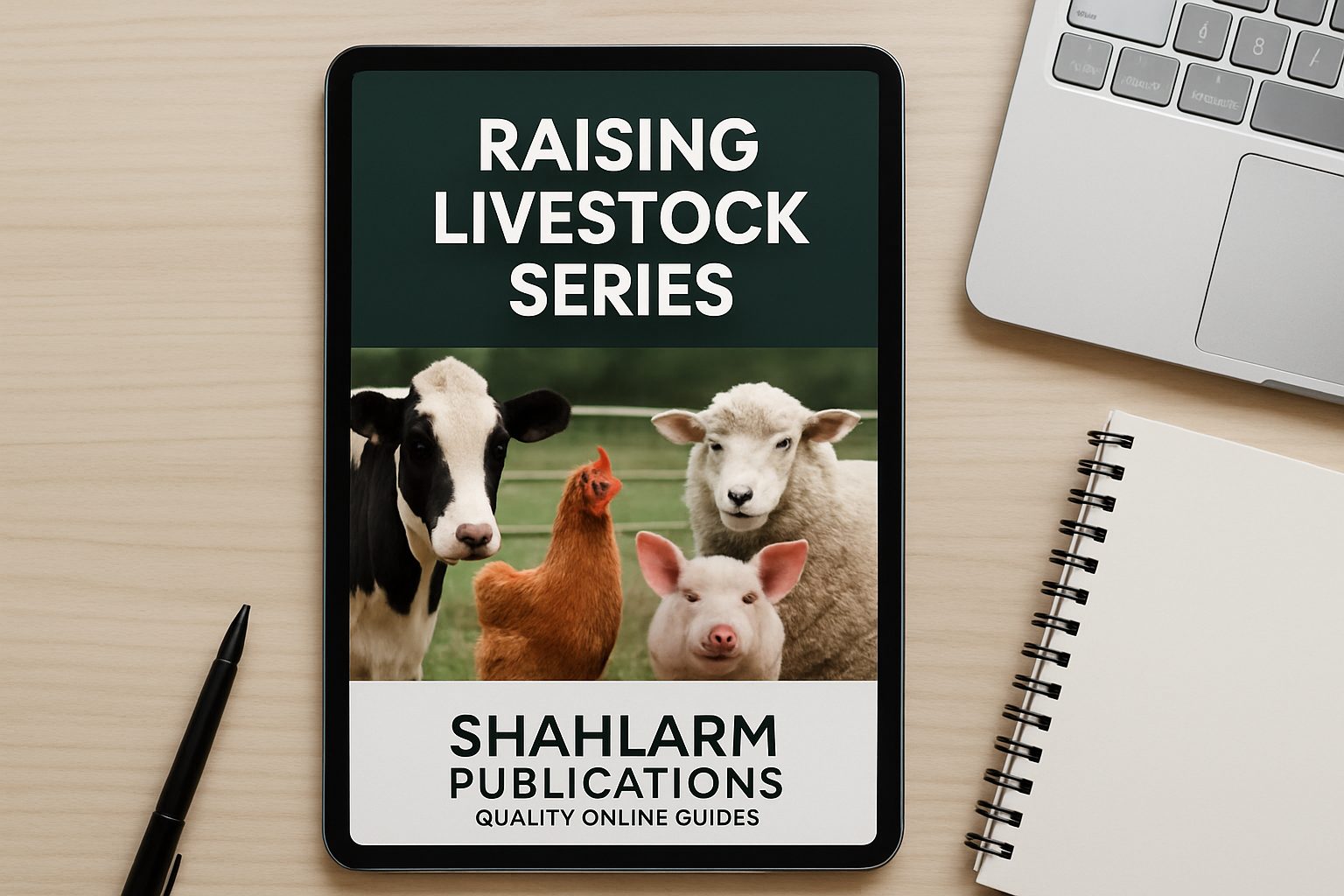
One of the book’s standout qualities is its depth of research. Prince covers not only the basics of chicken care but also delves into nuanced areas like organic vs. conventional practices, budgeting for small-scale operations, and strategies for generating income from eggs or meat. The sections on local regulations and neighbor relations are particularly valuable, offering realistic guidance that many similar guides gloss over. Compared to other introductory books on the subject, such as those in the publisher’s livestock series, this book distinguishes itself with its balanced focus on sustainability, ethics, and practicality.
While the book is comprehensive, one area that could be enhanced is the visual presentation. Including more diagrams or photos—for example, of coop designs, common health issues, or predator-proofing techniques—would further elevate its usefulness, especially for visual learners. That said, the text itself is so well-organized and detailed that this is a minor critique in an otherwise excellent resource.
Prince also subtly ties in themes from the publisher’s broader catalog, such as the self-sufficiency emphasized in Organic Gardening and the budget-conscious mindset found in How To Live A Frugal Lifestyle. For those interested in expanding their homesteading skills, complementary reads like Introduction to Vegetable Gardening could provide a well-rounded foundation.
Overall, How To Raise Chickens is an indispensable resource that combines authoritative knowledge with a friendly, encouraging tone. It’s ideal for newcomers seeking a reliable roadmap and even offers insights that more experienced keepers will appreciate. The book is available for purchase on Amazon here.