For more information, Click Here
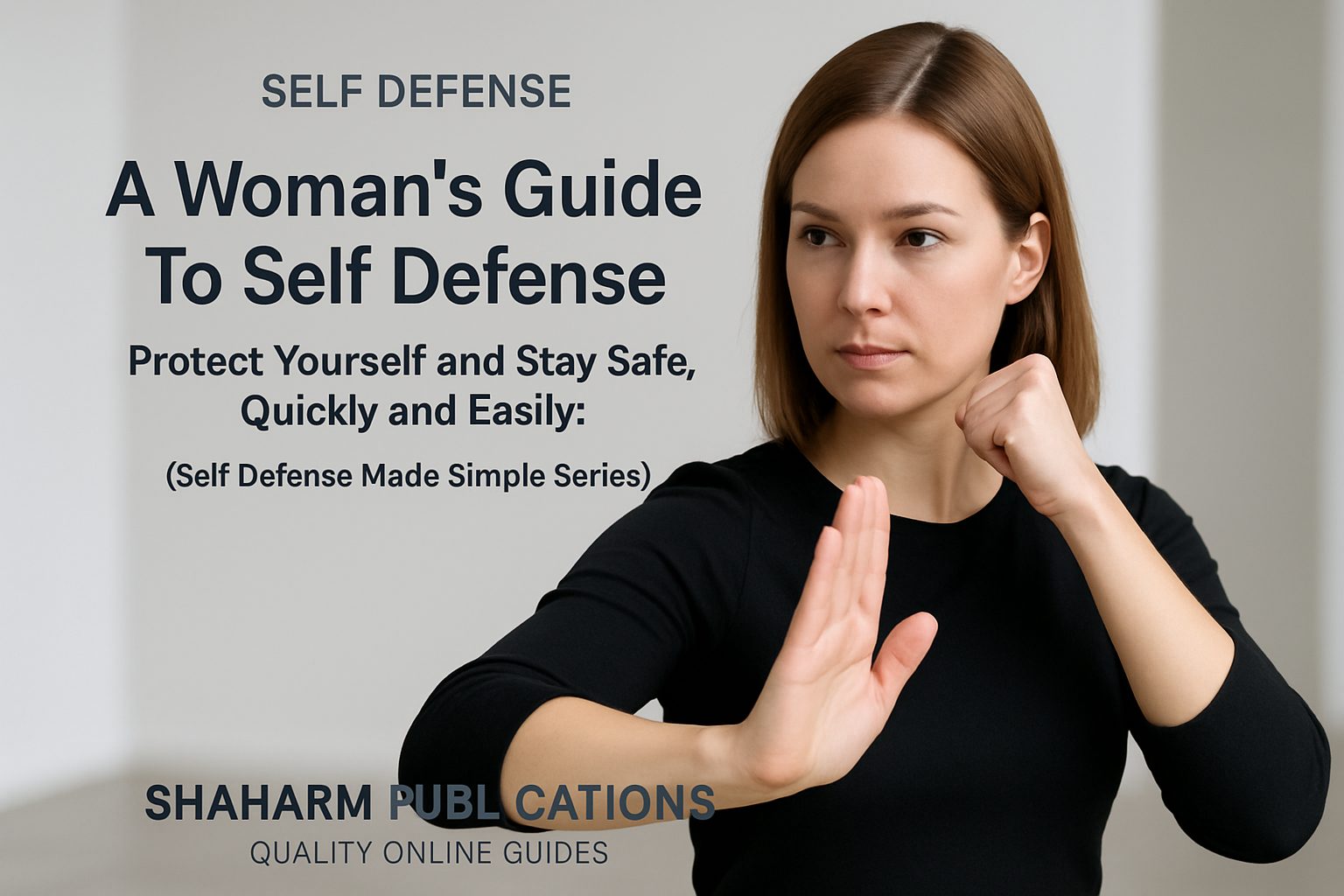
This guide provides practical self-defense techniques for women. It focuses on simple, effective moves that require no prior experience. The content is designed to be easy to learn and apply quickly. Readers will find strategies for staying aware and avoiding dangerous situations. The approach emphasizes confidence and personal safety in everyday life.
Book Summary
Summary of "A Woman's Guide To Self Defense"
This book addresses the critical issue of violence against women, emphasizing awareness, prevention, and practical strategies for self-defense. It highlights that self-defense is not about fighting but about survival, focusing on avoiding dangerous situations and escaping when necessary.
Key Themes:
- Awareness and Prevention: The best defense is avoiding high-risk situations through vigilance and common sense.
- Understanding Criminals: Criminals target women based on perceived vulnerabilities, such as isolation, distraction, or lack of confidence.
- Domestic Violence: A dedicated section covers recognizing abuse, its impact, and steps to escape safely.
- Scenario-Based Strategies: Detailed advice for specific crimes like rape, carjacking, purse snatching, and home invasions.
- Tools and Training: Recommendations for tools (e.g., pepper spray, firearms) and combat training, with an emphasis on psychological preparedness.
Practical Insights:
Functional Self-Defense: Prioritize awareness, confidence, and avoiding intent, opportunity, and means for attackers.
Empowerment: Encourages women to value themselves, break psychological barriers, and take proactive steps for safety.
The book combines statistical context, real-life examples, and actionable guidance to help women protect themselves and their families in various dangerous situations.
Review
Kevin Campbell’s A Woman’s Guide To Self Defense is a well-researched and practical resource that stands out for its clarity and actionable advice. The book effectively emphasizes prevention and awareness as the cornerstones of self-defense, moving beyond physical techniques to address the psychological and situational factors that contribute to personal safety. Campbell’s approach is both empowering and realistic, offering strategies that are accessible regardless of fitness level or prior training.
One of the book’s strongest qualities is its readability. The language is straightforward and free of jargon, making complex concepts easy to grasp. The scenario-based guidance—covering situations from carjackings to domestic violence—is particularly useful, as it provides concrete steps without overwhelming the reader. Compared to other self-defense guides that focus heavily on martial arts, this book’s emphasis on avoidance, confidence, and quick escape techniques feels refreshingly practical and immediately applicable.
While the content is comprehensive, the book could benefit from more visual aids, such as diagrams or photos, to illustrate certain physical maneuvers. That said, the descriptive text is clear enough to convey the intended actions, and this minor shortcoming does not detract significantly from the overall value.
For readers interested in related topics, the publisher offers other valuable works, such as A Beginner’s Guide To Self Defense, A Senior’s Guide To Self Defense, and A Teenage Girl’s Guide To Self Defense, which tailor similar principles to specific audiences.
Overall, A Woman’s Guide To Self Defense is a thoughtful, empowering, and highly useful book that delivers on its promise to help readers stay safe quickly and easily. It is available for purchase on Amazon here.