For more information, Click Here
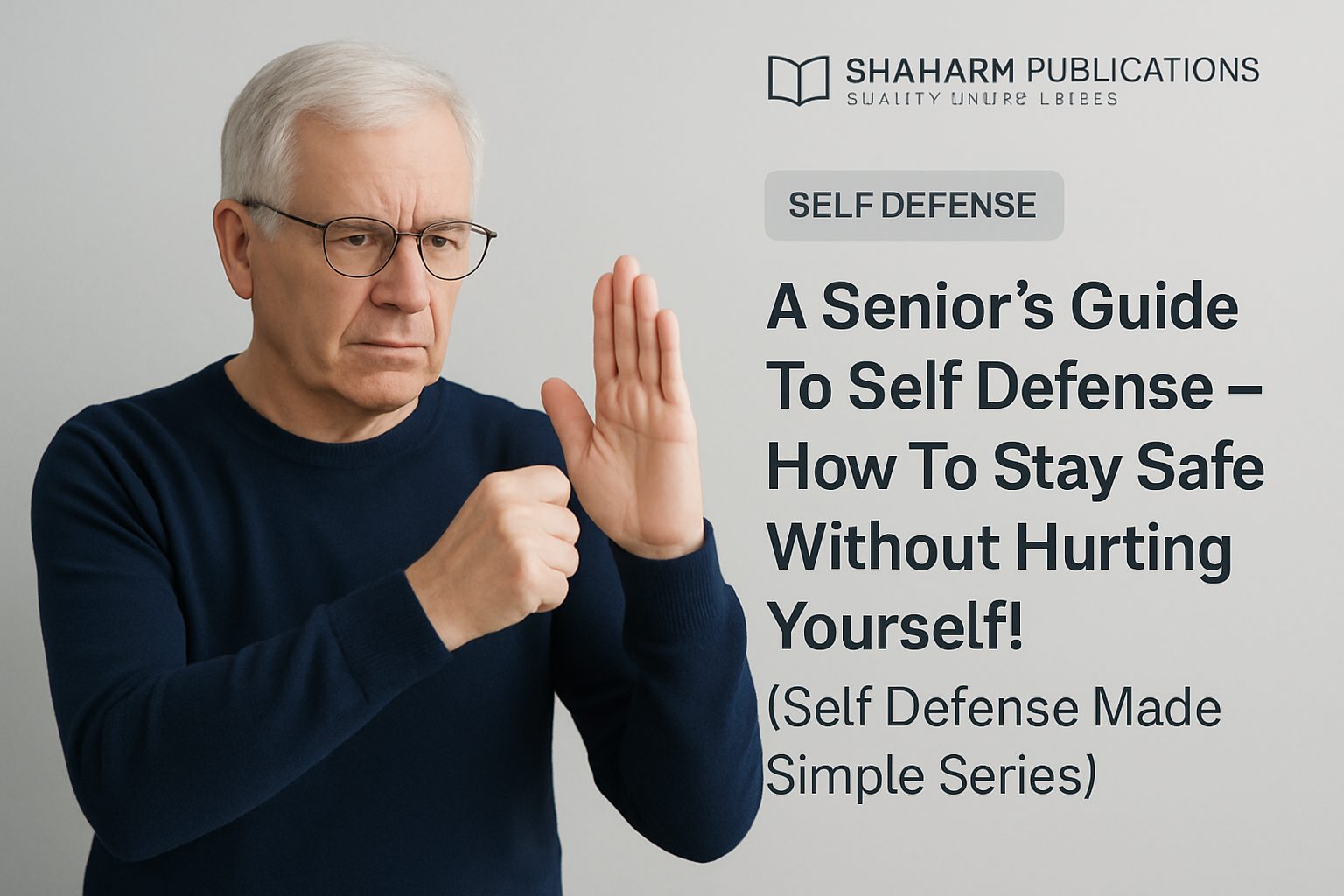
This guide focuses on practical self-defense techniques tailored for older adults. It emphasizes safety and simplicity, avoiding complex or strenuous moves. The content is designed to build confidence and awareness in everyday situations. Readers will find clear instructions and strategies to protect themselves effectively.
Book Summary
Book Summary
Introduction
Seniors are often perceived as vulnerable to crime, but this book empowers them with defense strategies to avoid victimization. It covers physical safety, online security, fraud prevention, and emphasizes self-sufficiency and preparedness without promoting fear.
Self-Defense Myths Debunked
- Walking with hands hidden doesn't necessarily deter attackers; confidence matters more.
- Headphones are safe in well-lit, familiar areas but avoid in risky environments.
- Keys are ineffective as weapons and can escalate danger.
- Comply with armed attackers, except in knife scenarios where disabling the hand may be safer.
- Surrender valuables during muggings—items are replaceable, life is not.
- Never engage a downed attacker; flee and seek help.
- All attackers, regardless of size, should be treated as threats.
Parking and Driving Defense
Driving Tips
- If followed, drive to a police station, do not go home.
- Prioritize safety over vehicle—surrender car if carjacked.
- Avoid hitchhikers; hide purses/wallets from plain sight.
Parking Tips
- Always lock car doors, even for short stops.
- Park in well-lit areas; walk with keys ready.
- Inspect car interior before entering.
Weapon Safety
Weapons like knives and guns are discouraged due to risks of self-injury, accidental discharge, or escalation. If used, follow safety protocols: unload when not in use, avoid modifications, and keep firearms clean and secured.
Dating Safety
Online
- Use reputable sites; provide minimal, altered personal info.
- Avoid photos initially; share privately after trust is established.
Offline
- Meet in public places; avoid accepting rides.
- Inform others of plans; refrain from drinking on dates.
Self-Defense Classes
Choose affordable, senior-friendly classes in safe locations. Prioritize comfort with the instructor, dress appropriately, ensure rest, and repeat courses if necessary for confidence and skill retention.
Buddy System & Home Security
- Use buddy systems for outings; keep emergency contacts on speed dial.
- Secure homes with alarms, avoid dog doors, use motion lights, and leave radios/TVs on when away.
- Join neighborhood watch programs; avoid hiding spare keys in obvious spots.
Emergency Protocols
At Home
- Use panic buttons subtly; comply with intruders to avoid harm.
- Hide in secure spots; do not follow intruders after they leave.
Outdoors
- Relinquish belongings if mugged; scream to attract attention.
- Project confidence to deter attackers.
Avoid Common Mistakes
Stay alert, maintain distance from strangers, lock doors immediately, verify visitors before opening doors, avoid judging by appearance, use open-handed defense, and practice caution with pepper spray.
Precautions & Special Scenarios
- Remain vigilant on cell phones in public; use secure purse straps.
- Use anger over fear; carry emergency phones; vary routines for business safety.
- While traveling, avoid revealing solo status, use verified transit, stay in tourist areas.
Online & Fraud Defense
Online Safety
- Use strong, unique passwords; never share them.
- Avoid public computers for sensitive tasks; install protective software.
- Limit social media exposure; be wary of strangers and suspicious links.
Fraud Prevention
- Verify police, charity, or repair personnel before engagement.
- Be cautious of distress stories used as lures.
Holiday Safety
Request escorts when carrying purchases, park on busy streets, surrender gifts if threatened, conceal wallets, and avoid wearing expensive jewelry in public to reduce theft risk.
Review
Kevin Campbell's A Senior’s Guide To Self Defense is a well-researched and thoughtfully structured resource that stands out for its practical, age-appropriate approach to personal safety. Unlike many self-defense guides that focus primarily on physical techniques, Campbell’s work emphasizes prevention, awareness, and smart decision-making—making it particularly suitable for older adults who may have mobility or strength limitations.
The book’s clarity is one of its strongest assets. Campbell writes in a straightforward, accessible style, avoiding jargon and breaking down complex scenarios into actionable advice. For example, his debunking of common self-defense myths—such as the inefficacy of using keys as weapons or the importance of complying during an armed robbery—is both evidence-based and easy to grasp. This practical focus extends to diverse situations, from parking lot safety to online dating precautions, ensuring readers are equipped for modern threats.
Another notable strength is the depth of research. Campbell supports his recommendations with logical reasoning and realistic examples, such as advising seniors to drive to a police station if followed rather than heading home. The sections on digital safety and fraud prevention are especially relevant, addressing risks that are often overlooked in traditional self-defense literature.
Where the book could be enhanced is in its visual aids. While the descriptions are clear, incorporating simple diagrams or illustrations for techniques like open-handed defense or securing a home could improve comprehension for readers who are more visually oriented. That said, this is a minor consideration in an otherwise comprehensive guide.
Compared to similar works like the publisher’s A Beginner’s Guide To Self Defense or A Woman’s Guide To Self Defense, this volume is uniquely tailored to the physical and psychological needs of seniors, offering a more nuanced take on risk avoidance rather than confrontation. It also complements the publisher’s broader safety-focused titles, such as Home Security and Essential Survival Skills, by focusing on everyday urban safety.
Overall, A Senior’s Guide To Self Defense is a valuable, empowering read that balances realism with reassurance. It’s available for purchase on Amazon here.