For more information, Click Here
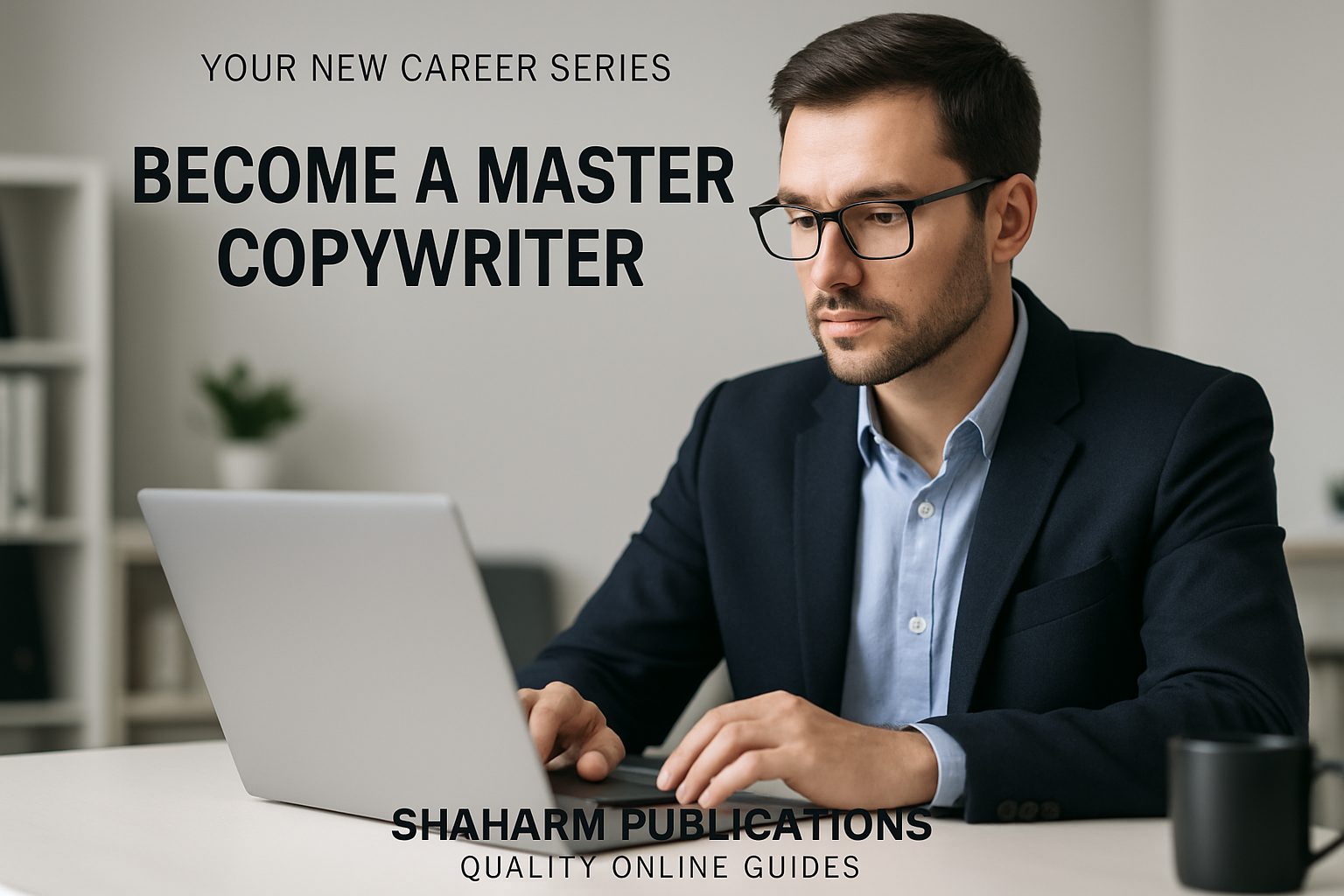
This book provides a guide to developing copywriting skills. It covers the fundamentals of persuasive writing and communication techniques. The content is structured to help readers build a foundation in copywriting principles. It includes practical advice for applying these skills in various contexts. The material is designed for those starting a career in this field.
Book Summary
Summary of the Book
This book is a comprehensive guide to mastering copywriting, emphasizing its high demand and lucrative potential. It details the unique aspects of copywriting, including its focus on emotional connection and sales-driven formats. The book covers various types of sales letters, such as storytelling, conversational, "paint the picture," "frank and honest," and "velvet rope" styles, each tailored to different audiences. It breaks down the anatomy of a successful sales letter, highlighting key components like headlines, body text, offers, testimonials, and calls to action. The guide also offers tips on improving copywriting skills, learning from industry masters, and leveraging psychology and NLP techniques. Overall, it provides actionable strategies for aspiring copywriters to excel and achieve financial success.
Review
Become A Master Copywriter by Tyler Grahams is an exceptionally well-structured and practical guide for anyone serious about excelling in the field of copywriting. The book’s clarity stands out immediately—Grahams breaks down complex concepts into digestible, actionable steps without oversimplifying the craft. His approach to explaining different sales letter styles, from storytelling to the "velvet rope" technique, is both insightful and immediately applicable, making it easy for readers to grasp how to tailor their writing to various audiences.
What sets this book apart from others, such as A Beginner's Guide to Copywriting, is its depth of research and emphasis on psychological principles. Grahams doesn’t just teach formulas; he delves into the why behind effective copy, incorporating NLP techniques and consumer psychology in a way that feels both authoritative and accessible. The sections on headlines, calls to action, and leveraging testimonials are particularly strong, offering concrete examples that illustrate best practices.
The readability of Become A Master Copywriter is another strong suit. Grahams writes with a confident, engaging tone that avoids jargon-heavy language, making it suitable for both newcomers and experienced copywriters looking to refine their skills. Its practical usefulness is undeniable—readers can immediately apply the strategies to real-world projects, whether they’re writing sales letters, emails, or web content.
If there’s one area where the book could be enhanced, it would be in providing more case studies or breakdowns of unsuccessful campaigns to contrast with the successful examples. While the positive examples are illustrative, a deeper exploration of what doesn’t work could reinforce the lessons further. That said, this is a minor point in an otherwise comprehensive resource.
For those interested in related topics, the publisher offers other valuable titles such as Covert Sales Skills 101, Sales and NLP, and Success with Email Marketing, all of which complement the skills taught in this book.
Overall, Become A Master Copywriter is a standout resource that delivers on its promise to equip readers with advanced copywriting techniques. It’s a worthwhile investment for anyone aiming to boost their persuasive writing skills and achieve tangible results. The book is available for purchase on Amazon here.