For more information, Click Here
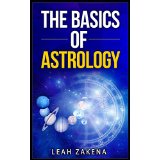
This book provides a clear and straightforward overview of astrology for those new to the subject. It explains the basic principles, including zodiac signs, planets, and houses, without assuming prior knowledge. The content is organized to help readers understand how astrological elements interact and influence personality and life events. It serves as a practical starting point for anyone curious about astrology.
Book Summary
Summary of Astrology Book
Introduction to Astrology
Astrology is an ancient practice used to interpret personality traits and life events based on celestial alignments at birth. Tropical astrology is the most common system in the Western world, featuring twelve zodiac signs aligned with calendar dates. Astrology aids in personal and professional decision-making, with resources ranging from online horoscopes to personalized readings by astrologers.
Core Concepts
Astrology posits that celestial bodies influence human affairs. The zodiac consists of twelve signs, each associated with an element (fire, earth, air, water) and a quality (cardinal, fixed, mutable). These combinations shape personality traits, behaviors, and compatibility.
Zodiac Sign Overview
- Aries (Mar 21–Apr 19): Fire, cardinal; energetic, impulsive, independent.
- Taurus (Apr 20–May 20): Earth, fixed; loyal, patient, materialistic.
- Gemini (May 21–Jun 20): Air, mutable; communicative, adaptable, indecisive.
- Cancer (Jun 21–Jul 22): Water, cardinal; nurturing, moody, sensitive.
- Leo (Jul 23–Aug 22): Fire, fixed; confident, generous, domineering.
- Virgo (Aug 23–Sep 22): Earth, mutable; analytical, practical, critical.
- Libra (Sep 23–Oct 22): Air, cardinal; diplomatic, indecisive, sociable.
- Scorpio (Oct 23–Nov 21): Water, fixed; intense, secretive, passionate.
- Sagittarius (Nov 22–Dec 21): Fire, mutable; adventurous, optimistic, restless.
- Capricorn (Dec 22–Jan 19): Earth, cardinal; disciplined, ambitious, reserved.
- Aquarius (Jan 20–Feb 18): Air, fixed; innovative, independent, aloof.
- Pisces (Feb 19–Mar 20): Water, mutable; compassionate, dreamy, escapist.
Practical Applications
Astrology offers insights into personality, relationships, career choices, and daily decision-making. Personalized charts, which consider exact birth time and location, provide deeper accuracy. Resources for further learning include books, online platforms, and professional astrologers.
Review
Leah Zakena's Introduction to Astrology is a remarkably clear and well-structured guide for anyone beginning their journey into Western astrology. The book excels in its ability to distill complex astrological concepts into digestible, engaging content without sacrificing depth. Zakena’s writing is both accessible and authoritative, making it an ideal resource for readers who may feel overwhelmed by more esoteric or jargon-heavy texts on the subject.
One of the book’s strongest qualities is its practical usefulness. Each zodiac sign is presented with concise yet insightful descriptions of personality traits, elemental associations, and behavioral tendencies, allowing readers to quickly grasp the core characteristics of each sign. The sections on the elements (fire, earth, air, water) and qualities (cardinal, fixed, mutable) are particularly well-researched and provide a solid foundation for understanding how these factors interplay in astrological interpretation. Unlike many introductory books that offer superficial horoscope-style content, Zakena emphasizes the importance of personalized charts, encouraging readers to consider birth time and location for deeper accuracy—a thoughtful touch that adds genuine value.
In comparison to other beginner guides, such as those found in the publisher’s Historic Moments of Religion or Tarot Explained!, Introduction to Astrology stands out for its balance of readability and substantive content. It avoids the trap of oversimplification while remaining engaging throughout. The logical flow from basic principles to practical applications ensures that readers not only learn the theory but also understand how to apply astrological insights to relationships, career choices, and personal growth.
If there is one area for slight improvement, it would be the inclusion of more visual aids, such as chart examples or diagrams illustrating planetary aspects, which could further enhance comprehension for visual learners. That said, this is a minor point in an otherwise comprehensive and thoughtfully crafted book.
Overall, Introduction to Astrology is a top-tier introduction that demystifies its subject with intelligence and clarity. It’s a valuable addition to any curious reader’s library and is highly recommended for those seeking a reliable, engaging entry point into astrology. The book is available for purchase on Amazon here. For readers interested in complementary topics, the publisher also offers insightful works like Chakras: How to Balance Your Chakra Energies and Aura Explained.