For more information, Click Here
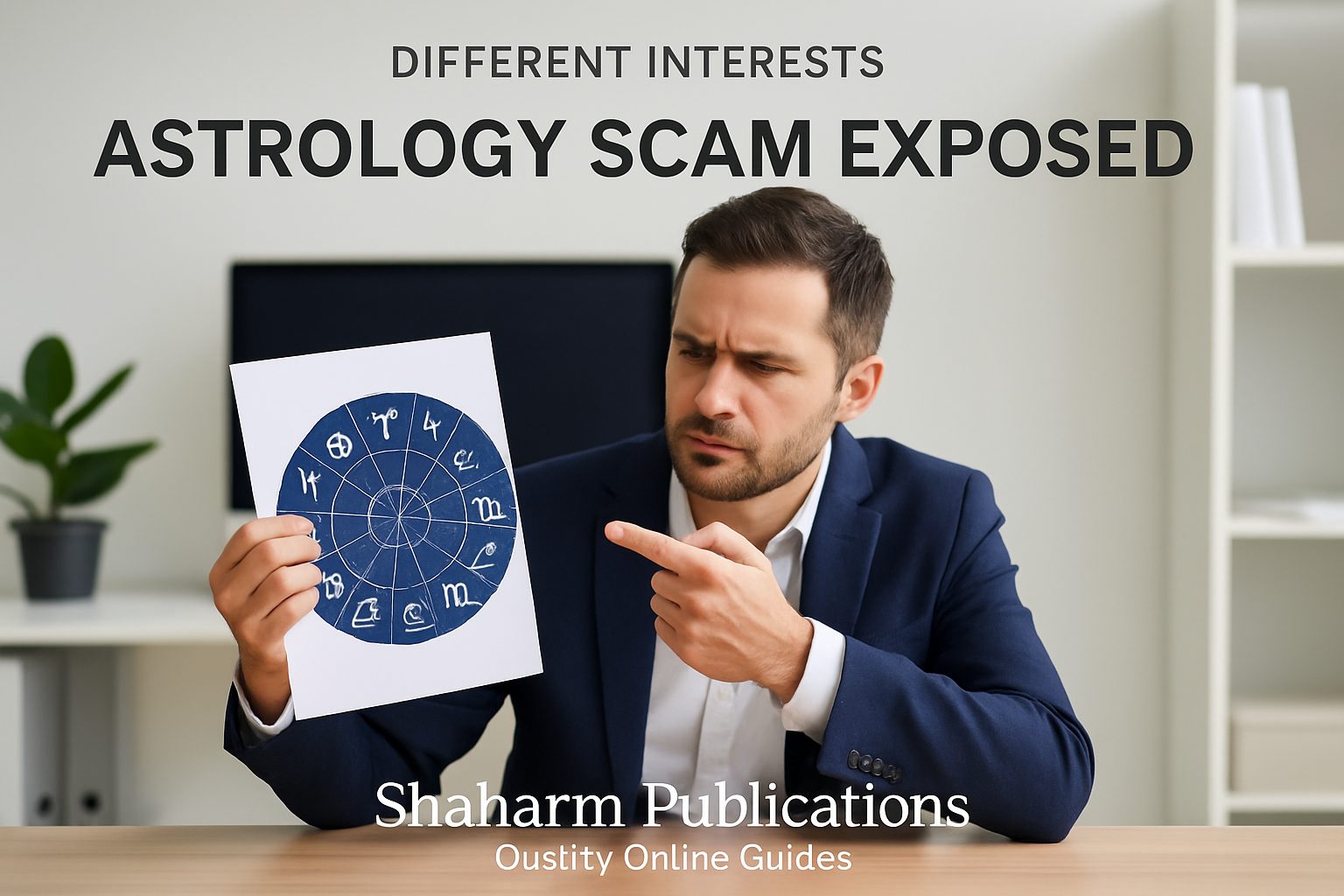
This book investigates the claims made by astrologers and the practices within the astrology industry. It presents a critical analysis of the methods used and the evidence supporting astrological predictions. The author examines the psychological and cultural factors that contribute to the popularity of astrology. Readers will find a detailed exploration of why many consider astrology to be a pseudoscience. The content is based on research and aims to provide a factual perspective on the topic.
Book Summary
Introduction
Astrology, often seen as harmless entertainment, can become dangerous when individuals rely heavily on it for life decisions or spend significant money on readings, risking manipulation or scams. This book aims to expose common astrology scams and provide guidance on avoiding them.
What is Astrology
Astrology studies how cosmic objects like planets and stars influence human lives, with practitioners using celestial positions to predict the future. Various forms exist, such as Western Zodiac, Vedic, and Chinese astrology, all sharing core principles despite cultural differences.
The Basics of Astrology
The Western Zodiac assigns star signs based on birth dates, linking them to personality traits and fates. While popular, many astrologers consider it simplistic, preferring detailed birth data (time, place) for accurate readings, which often come at a cost. Different methodologies include mundane, interrogatory, and natal astrology, the latter based on the "Law of Beginnings."
Astrology vs Astronomy
Astronomy, a scientific discipline, studies celestial objects using empirical methods, while astrology is viewed as a pseudoscience with no empirical support. Historically linked, they diverged during the Age of Reason, with astrology dismissed as divination.
The History of Astrology
Astrology dates back millennia, with ancient civilizations tracking celestial events. It was once respected academically but declined with scientific advancements. Critics like Cicero and Augustine highlighted its flaws, yet it has resurged in popularity, often promoted in mainstream media.
Why We Want to Believe
Astrology fulfills psychological needs, offering comfort, connection, and a way to avoid responsibility. People often exhibit confirmation bias, believing favorable predictions while ignoring others. The desire for authority figures and personal attention also drives belief, making astrology appealing, especially during vulnerable periods.
Common Scams
Disreputable astrologers use various tactics to exploit believers, often charging high fees and fostering dependency.
As Seen on TV
Scammers use TV appearances to gain credibility, then upsell services, leading customers into costly, addictive relationships. They manipulate through leading questions and personalized predictions, exploiting cognitive biases.
How Astrologers Fool People
Using tricks like cold reading and online research, astrologers create illusions of insight. They target believers, avoiding skeptics, and often rely on vague claims that are hard to disprove.
The Tara Medium Scams
This organization uses threatening emails and promises of rituals to extract money, preying on vulnerable individuals with false claims of curses or visions.
Trends and Tricks
Online astrologers use email and messaging to build fake friendships, often employing multiple low-paid workers instead of providing personal service. Victims face emotional and financial harm, with little recourse.
The Bait and Switch
Free readings are used to collect personal information for aggressive marketing, especially targeting older adults. Scammers sell charms and talismans, gradually increasing prices and exploiting trust.
Are All Astrologers Scammers?
Not necessarily; some view astrology as harmless fun or genuinely believe in it. However, even well-intentioned astrologers can cause harm by encouraging reliance on unqualified advice.
Some Really Believe In Themselves
Certain astrologers are self-deluded, having internalized their practices through cognitive bias. While not malicious, they can still lead others to make poor decisions based on unscientific methods.
Protecting Yourself From Scammers
Avoid unsolicited offers and too-good-to-be-true promises. Red flags include door-to-door sales, excessive flattery, unqualified therapy, judgmental behavior, poor training, guru complexes, multitasking services, and laziness in presentation.
What To Do if Someone You Know Falls for A Scam
Signs of addiction include frequent contact, dependency, secrecy, and financial issues. Approach with support, not criticism; offer alternatives like hobbies or meditation. Avoid direct confrontation, and focus on addressing underlying stress or uncertainty.
Review
Leah Zakena's Astrology Scam Exposed is a meticulously researched and highly accessible examination of the deceptive practices that plague the world of astrology. The book stands out for its clarity and logical structure, guiding the reader from the foundational concepts of astrology through to the psychological underpinnings of belief, and finally into the detailed mechanics of common scams. Zakena’s writing is both engaging and informative, making complex ideas easy to grasp without oversimplifying the subject matter.
One of the book’s strongest qualities is its depth of research. Zakena supports her arguments with historical context, scientific critique, and real-world examples of fraudulent schemes, lending the work a credible and authoritative tone. The sections on psychological drivers—such as confirmation bias and the desire for authority—are particularly insightful, offering readers a clear understanding of why even intelligent individuals can fall prey to these scams. Compared to other skeptical works on pseudoscience, this book distinguishes itself by focusing specifically on the financial and emotional exploitation within astrology, providing practical advice on recognizing and avoiding predatory practices.
While the book is comprehensive, one area that could be enhanced is the exploration of cultural variations in astrological practices. Although Zakena touches on different traditions like Vedic and Chinese astrology, a deeper comparative analysis might have enriched the discussion on how scams manifest across cultures. That said, this is a minor point in an otherwise thorough and compelling critique.
Readers interested in related topics may also enjoy other works by the same publisher, such as 10 Historic Moments Of Religion, Tarot Explained!, and The World’s Most Mysterious Unsolved Crimes!, which similarly blend critical inquiry with engaging storytelling.
Overall, Astrology Scam Exposed is a valuable resource for skeptics, curious believers, and anyone interested in the intersection of belief, psychology, and fraud. It is both enlightening and practical, equipping readers with the knowledge to protect themselves and others. The book is available for purchase on Amazon here.