For more information, Click Here
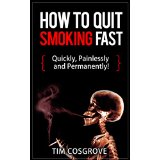
This guide provides a structured approach to overcoming alcohol dependency. It outlines methods to stop drinking quickly while prioritizing safety. The strategies are designed to support long-term sobriety. The content is based on practical steps and clear guidance.
Book Summary
Understanding Climate Change
Climate change refers to significant changes in global temperatures and weather patterns over time. While climate change is a natural phenomenon, scientific evidence shows that human activities are currently driving an unprecedented rate of change.
Causes of Climate Change
The primary cause of recent climate change is the emission of greenhouse gases, such as carbon dioxide and methane, from human activities like burning fossil fuels, deforestation, and industrial processes.
Effects of Climate Change
Effects include rising sea levels, more extreme weather events, loss of biodiversity, and impacts on human health and agriculture. These changes pose significant risks to ecosystems and societies worldwide.
What Can Be Done?
Addressing climate change requires global cooperation to reduce greenhouse gas emissions, transition to renewable energy sources, enhance energy efficiency, and protect natural carbon sinks like forests and oceans.
Review
Tim Cosgrove's How To Quit Alcohol Dependency - Quickly, Safely and Permanently! is a remarkably clear and practical guide for anyone seeking to overcome alcohol addiction. The book’s greatest strength lies in its straightforward, actionable advice, which is presented in a manner that is both accessible and empathetic. Cosgrove avoids overwhelming the reader with jargon, instead focusing on step-by-step strategies that emphasize safety and sustainability. His approach is well-researched, integrating evidence-based methods with real-world applicability, making it an invaluable resource for those at any stage of their recovery journey.
Unlike many recovery guides that can feel overly clinical or impersonal, Cosgrove’s writing is engaging and compassionate, which significantly enhances its readability. The structure is logical, moving from understanding dependency to implementing cessation techniques and maintaining long-term sobriety. One area where the book could be improved is in providing more diverse case studies or personal anecdotes, which might offer readers additional relatable contexts and reinforce the practical advice given. That said, this is a minor point in an otherwise thoroughly helpful book.
In comparison to other works in the genre, such as those found in the publisher’s How To Quit Drug Addiction Quickly, Safely and Permanently!, Cosgrove’s book stands out for its specific focus on alcohol and its nuanced understanding of the psychological and physical facets of alcohol dependency. Readers interested in broader self-improvement topics may also appreciate the publisher’s offerings like A Beginner's Guide to Success With CBT or Mastering Mindfulness, which complement the techniques discussed here.
Overall, How To Quit Alcohol Dependency is a thoughtful, well-organized, and genuinely useful tool for reclaiming control over one’s life. It is available for purchase on Amazon here: https://shaharmpublications.com/go/B00PHVIWMK